

Blog
Practical guides on SEO crawling, AI search visibility, and technical SEO. From canonical tags to crawl budget, with real examples.

SynthID AI Detector and AI Content Detection in 2026
SynthID only flags text from models that embed its watermark. See what Google's policy says about AI-generated content and how to audit your site for risk.

What Is WebMCP? Preparing Your Site for AI Agents
WebMCP lets web pages expose actions to AI agents. Learn what it is, how it differs from MCP, and five steps to prepare your site today.

The SEO Crawler Tool for Auditing Thousands of Location Pages
Multi-location sites push crawls past cloud tool limits fast. See why URL caps and rendering fees break at scale, and how to audit them for free instead.
How to Audit a Client Site Without GSC Access
Learn how to audit a client site without GSC access. Find technical SEO issues locally, explain limits clearly, and build client trust without credentials.

What Does SEO Ready Mean in 2026?
A practical 2026 SEO ready checklist for Google and AI search: technical SEO, structured data, JavaScript rendering, E-E-A-T, and agent-friendly content.

Beyond Keywords: Optimizing for Information Gain in AI Summaries
Traditional keyword SEO is no longer enough for AI Overviews and Perplexity. Learn how Information Gain works, why uniqueness matters, and how Seodisias’ AI Ready control helps you create content that ranks in AI summaries.

Indexed but Not Showing in Bing: Fix the Index Filter
Bing Webmaster Tools may show a page as indexed while it stays out of search results. Learn how to diagnose filters and fix technical and quality issues.
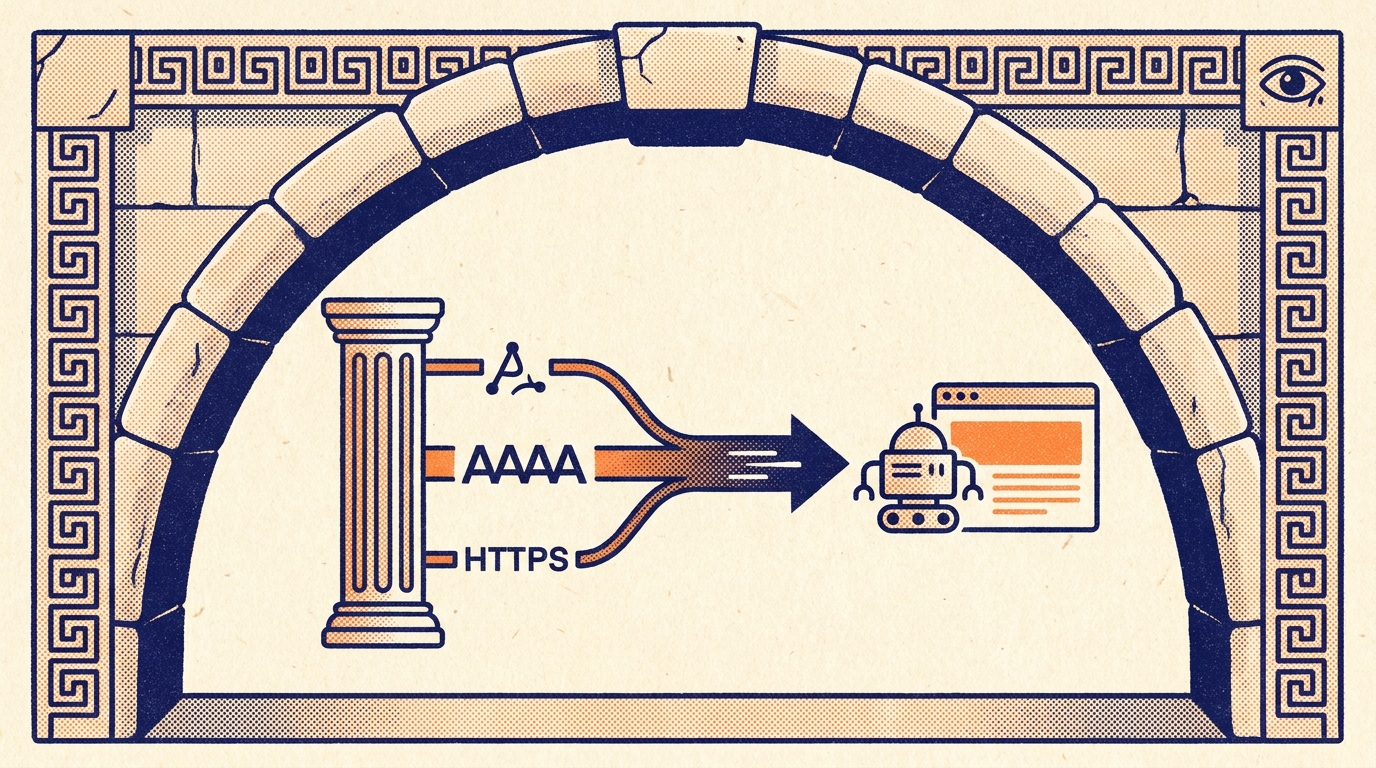
DNS Multiple QTYPEs (RFC 10029) and SEO Crawling Speed
RFC 10029 lets crawlers fetch A, AAAA, and HTTPS records in one DNS query instead of three, cutting TTFB and improving crawl budget efficiency for Googlebot.

Detecting Back Button Hijacking: A Technical SEO Audit Guide
Google now flags back button hijacking as a malicious practice. Learn how to audit your site with JS rendering and fix it before it costs your rankings.

AI Scrape-to-Referral Ratio: Is the Traffic Worth It?
Microsoft Clarity's new metric shows how many AI bots scrape your site versus how many visitors they send back, and what a bad ratio actually means.

How to Verify Googlebot Traffic With IP Ranges
Verify Googlebot traffic with Google's official JSON IP range files, spot fake bots by IP, and protect crawl budget without blocking real search visits.

Why Google Is Ignoring Your Sitemap and How to Diagnose It
You submitted a clean XML sitemap and Google still leaves pages out of the index. A sitemap is a hint, not a command. Here are the real reasons Google ignores it and how to diagnose each one with your own crawl.
Switching from Screaming Frog to Seodisias: A Practical Migration Guide
A step-by-step guide for Screaming Frog users moving to Seodisias: what stays the same, what you gain, and how to set up your first crawl without hitting a URL cap or paying a yearly license.

How to Test Whether AI Crawlers Can See Your Content
AI crawlers read raw HTML, not your rendered JavaScript. Here is how to test, in a few commands, whether your content is actually visible to them.

Engine-Specific GEO: How ChatGPT, Perplexity and Google AI Each Decide What to Cite
Most GEO advice treats AI search as one thing. It is not. ChatGPT, Perplexity and Google AI Overviews retrieve and cite sources differently, and optimizing for one is not the same as optimizing for all. A per-engine breakdown.

Finding AI Crawlers in Your Server Logs: Who Visits, How Often, and How to Verify Them
GPTBot, ClaudeBot, PerplexityBot and friends are already in your access logs. Here is how to find them, tell real bots from impostors, and decide what, if anything, to do about it.