

Crawl Budget #crawl-budget
Crawl budget is the number of URLs a search engine is willing to fetch from your site in a given window. Large sites, faceted navigation, and unnecessary parameter URLs burn through budget fast and leave important pages uncrawled. The guides below show how to identify waste and protect crawl budget for the URLs that matter.
9 posts

The SEO Crawler Tool for Auditing Thousands of Location Pages
Multi-location sites push crawls past cloud tool limits fast. See why URL caps and rendering fees break at scale, and how to audit them for free instead.
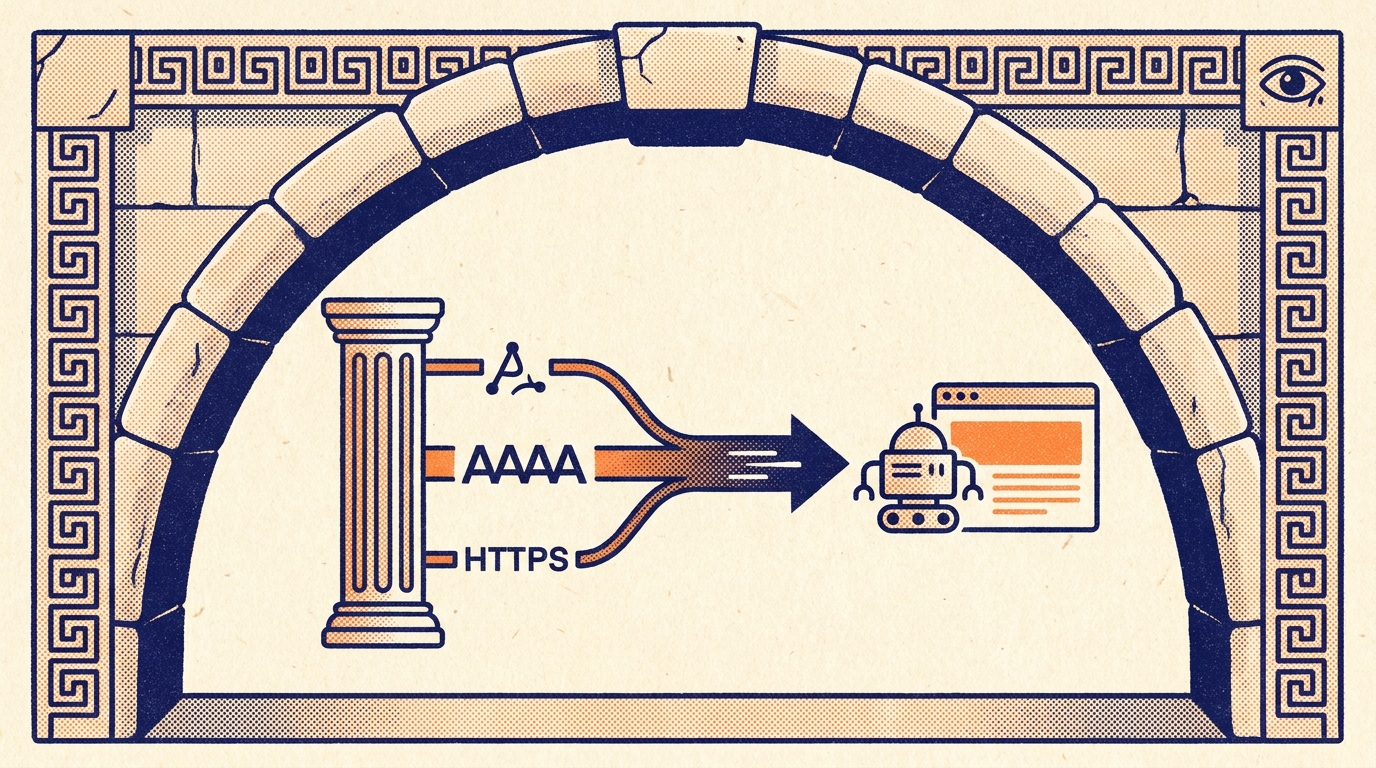
DNS Multiple QTYPEs (RFC 10029) and SEO Crawling Speed
RFC 10029 lets crawlers fetch A, AAAA, and HTTPS records in one DNS query instead of three, cutting TTFB and improving crawl budget efficiency for Googlebot.

How to Verify Googlebot Traffic With IP Ranges
Verify Googlebot traffic with Google's official JSON IP range files, spot fake bots by IP, and protect crawl budget without blocking real search visits.

Bot Traffic Now Exceeds Half the Web: What It Means for You
Automated traffic has passed human traffic for the first time. Here is what is actually driving it, why most of the panic is misplaced, and what to do about your crawl budget.
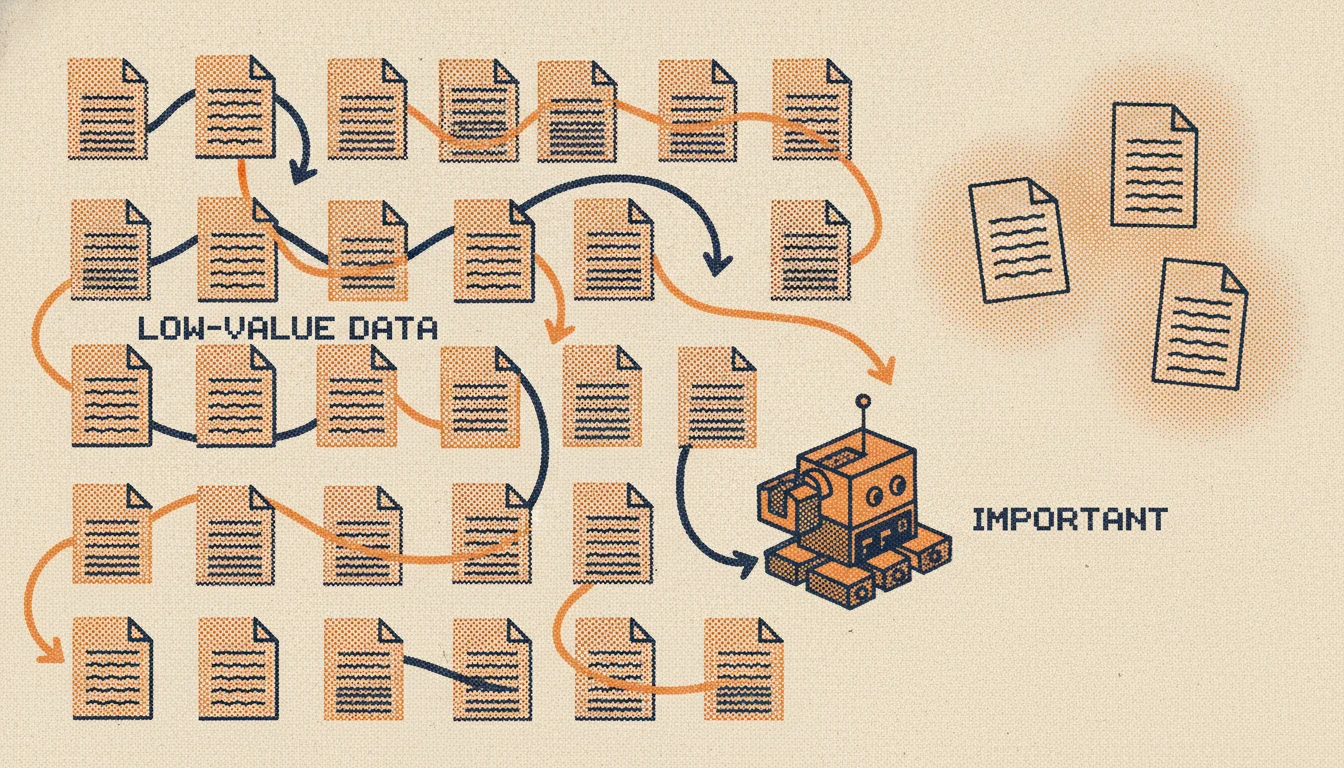
Why Low-Value Pages Get Crawled More (and How to Stop It)
Search engines often spend most of your crawl budget on the pages that matter least. Why low-value URLs attract crawlers, how to find them, and how to redirect that attention to the pages you actually want indexed.

Internal Linking as a Crawl Budget Tool: Patterns, Anchors, Audits
Internal links shape what crawlers see, how often, and in what order. Learn the patterns that prevent orphans, control link depth, and survive site growth.

What Are Redirect Chains and How to Fix Them
Redirect chains slow down crawling, waste link equity, and confuse search engines. Learn what they are, why they happen, and how to find and fix them.

Crawl Budget for Ecommerce: Stop Wasting Googlebot on Filters
Faceted navigation, product variants, and infinite filters drain crawl budget on ecommerce sites. Here is how to reclaim it for pages that sell.

Crawl Budget Optimization: Make Search Engines Index What Matters
Learn what crawl budget is, why it matters for SEO, and practical strategies to optimize how search engines crawl and index your website.