

Technical SEO #technical-seo
Technical SEO covers everything that affects how search engines crawl, render, and index your site: server response, HTML structure, redirects, sitemaps, structured data, and Core Web Vitals. These guides give you the systems-level view that turns a crawler report into ranking gains.
57 posts
How to Audit a Client Site Without GSC Access
Learn how to audit a client site without GSC access. Find technical SEO issues locally, explain limits clearly, and build client trust without credentials.

What Does SEO Ready Mean in 2026?
A practical 2026 SEO ready checklist for Google and AI search: technical SEO, structured data, JavaScript rendering, E-E-A-T, and agent-friendly content.

Indexed but Not Showing in Bing: Fix the Index Filter
Bing Webmaster Tools may show a page as indexed while it stays out of search results. Learn how to diagnose filters and fix technical and quality issues.
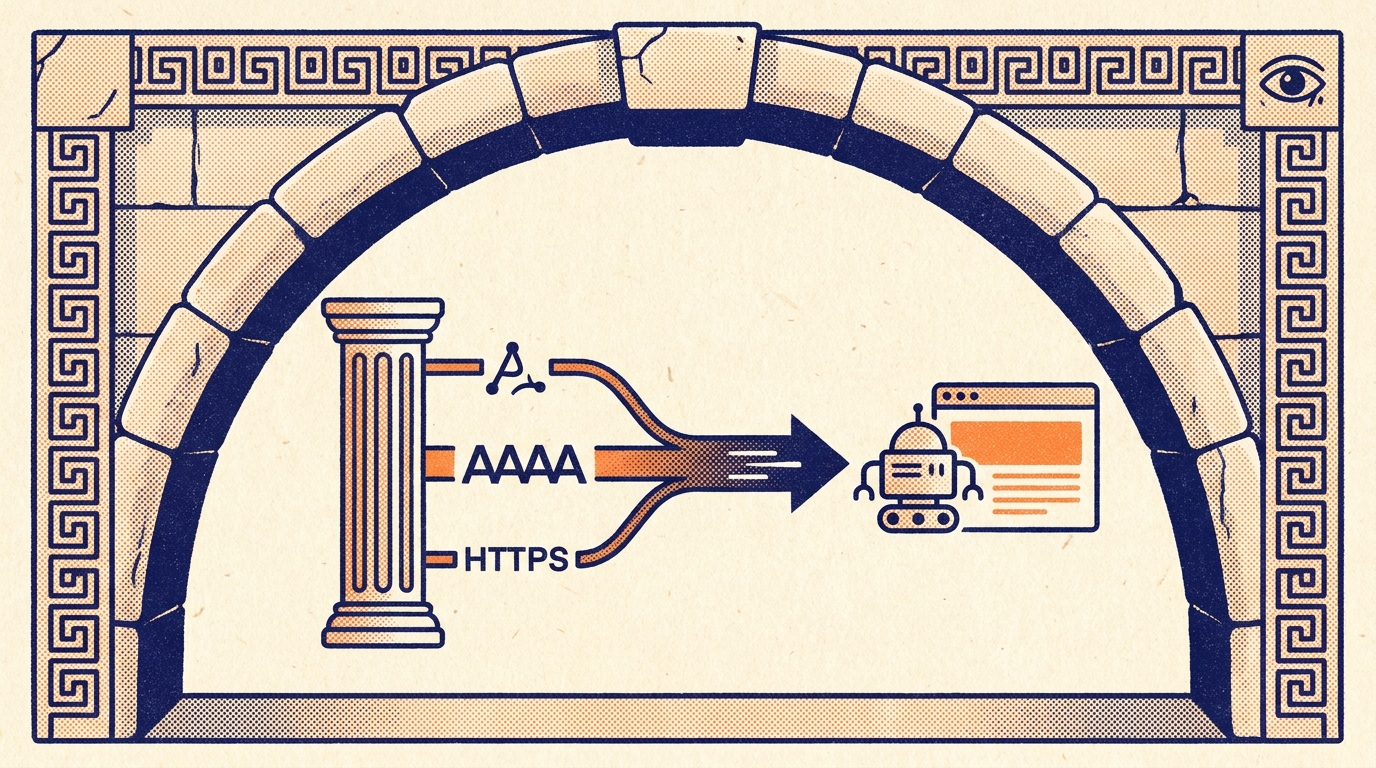
DNS Multiple QTYPEs (RFC 10029) and SEO Crawling Speed
RFC 10029 lets crawlers fetch A, AAAA, and HTTPS records in one DNS query instead of three, cutting TTFB and improving crawl budget efficiency for Googlebot.
Why Google Is Ignoring Your Sitemap and How to Diagnose It
You submitted a clean XML sitemap and Google still leaves pages out of the index. A sitemap is a hint, not a command. Here are the real reasons Google ignores it and how to diagnose each one with your own crawl.
Switching from Screaming Frog to Seodisias: A Practical Migration Guide
A step-by-step guide for Screaming Frog users moving to Seodisias: what stays the same, what you gain, and how to set up your first crawl without hitting a URL cap or paying a yearly license.

How to Test Whether AI Crawlers Can See Your Content
AI crawlers read raw HTML, not your rendered JavaScript. Here is how to test, in a few commands, whether your content is actually visible to them.

Finding AI Crawlers in Your Server Logs: Who Visits, How Often, and How to Verify Them
GPTBot, ClaudeBot, PerplexityBot and friends are already in your access logs. Here is how to find them, tell real bots from impostors, and decide what, if anything, to do about it.

RFC 10023: Domains Can Now Say "For Sale" in DNS Itself
The new _for-sale DNS convention lets a domain declare it is for sale, machine-readably. How the record works, what it changes for the domain market, and what it does not do for your rankings.

Open Knowledge Format (OKF): What It Is, and Why It Is Not an SEO File
Google's Open Knowledge Format packages knowledge for AI agents as plain Markdown. Here is how it works, how to produce one, and why it is not a ranking signal.

Agentic SEO Skills for 2026: What an SEO Professional Should Actually Learn
Agentic is everywhere, but few people say what it means for your own skill set. Here is which SEO skills gain weight, which ones are genuinely new, and a low-regret way to learn them without chasing hype.

Too Many Thin, Competing Pages? How to Decide Which Ones to Prune
When several of your pages chase the same query, they split your authority instead of stacking it. Here is how to find cannibalizing and thin pages with a crawl, and a clear decision framework for when to delete, redirect, noindex, consolidate, or canonical each one.

Cloud vs Desktop SEO Crawler: It Is an Architecture Decision, Not a Brand War
Cloud crawlers like DeepCrawl and desktop crawlers like Screaming Frog are not competing on features. They are two architectures. Here is how to choose by site size, data sensitivity, team, and budget.
Screaming Frog vs Sitebulb in 2026: The Real Difference Is Workflow, Not Features
Screaming Frog is a data workbench, Sitebulb is a guided auditor. What each one actually costs, where each one wins, who should pay for which, and when a free crawler covers the whole job.

Screaming Frog Pricing in 2026: What It Really Costs and the Free Alternatives That Scale
How much Screaming Frog costs, what the free 500 URL tier actually gives you, why cracked downloads are a trap, and the legitimate free crawlers that keep going past the limit.

Open-Source SEO Crawlers in 2026: Self-Hosted Alternatives to Screaming Frog
The SEO crawlers whose source is actually open: LibreCrawl, Open SEO Crawler, Apache Nutch and the frameworks behind them. What open-source really buys you, what you trade for it, and when it beats a free desktop tool.