

ai-dataset.json and AI Index Files: Do You Need One in 2026?
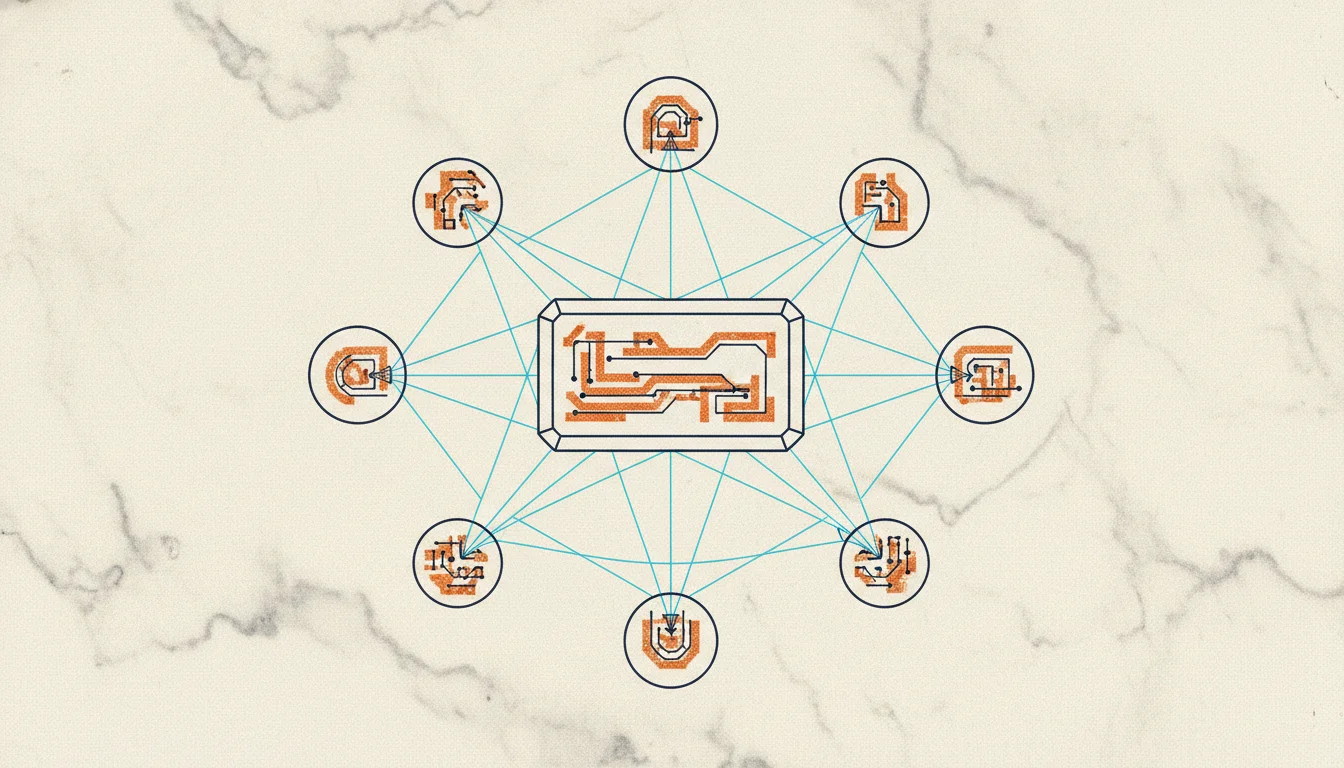
If you spend time in SEO communities, you have probably seen a new kind of file suggested for AI visibility. It usually has a name like ai-dataset.json or ai-index.json, and the pitch is that placing one on your site helps AI engines understand your content and recommend your brand. The idea sounds reasonable, and the file is easy to create. The harder question is whether it does anything yet. This guide looks at what these files are trying to do, where they stand in 2026, and whether adding one is worth your time right now.
The short version is that the intent behind these files is sensible, but as of 2026 there is no widely agreed specification and no major AI engine has confirmed that it reads them. That does not mean the idea is wrong. It means it is early. The rest of this guide explains how to think about that without either dismissing it or over investing in it.
What ai-dataset.json Is Trying to Do
The concept behind ai-dataset.json is a machine readable manifest that describes your site to AI systems. Instead of letting an engine infer your structure, entities, and key data by crawling and guessing, you hand it a structured summary: here is who we are, here are our main topics, here are the datasets or pages that matter, here is how they relate.
The motivation is real. AI engines assemble answers from sources they can parse and trust, and anything that makes your content easier to understand is, in principle, helpful. This is the same instinct behind several files that already exist:
robots.txttells crawlers what they may access.sitemap.xmllists your URLs so they are easier to discover.llms.txtoffers a plain text summary of your most useful content for AI assistants.- JSON-LD structured data describes entities on a page in a format engines already use.
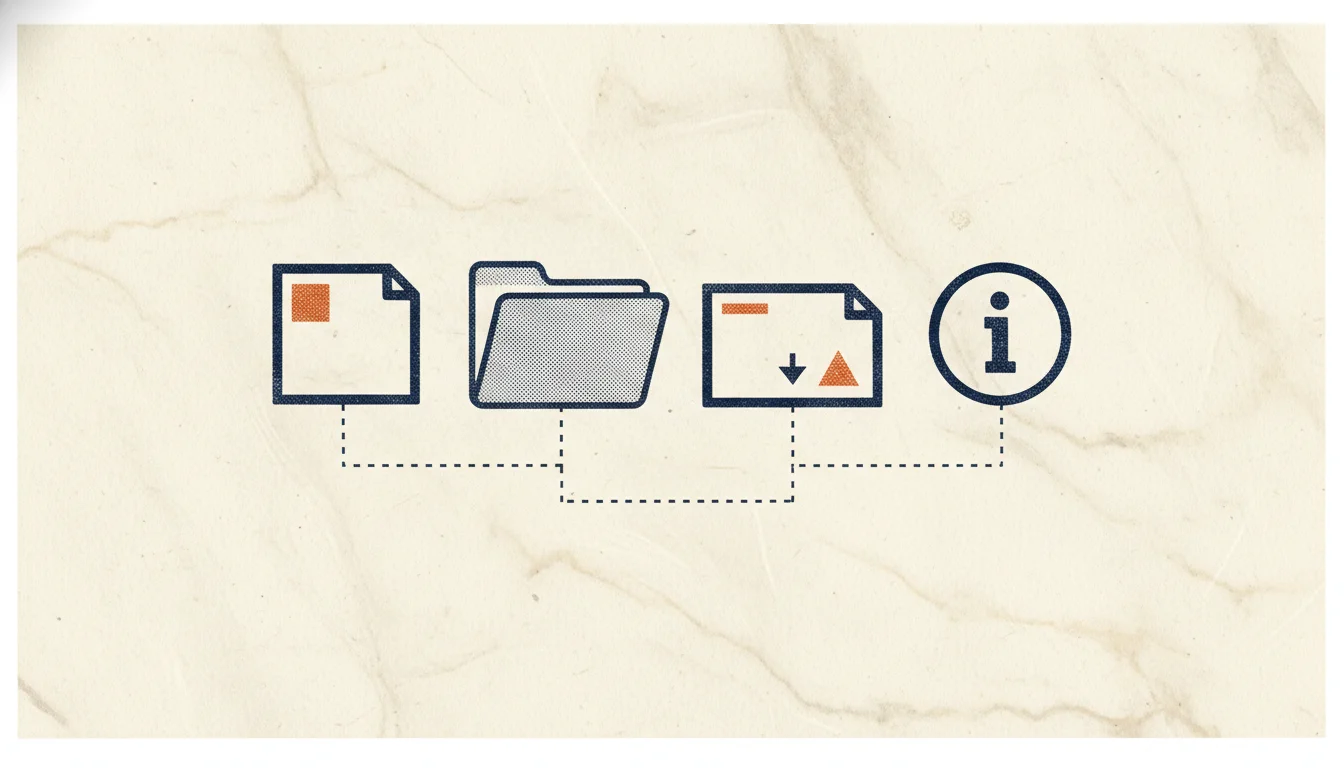
Seen this way, ai-dataset.json is an attempt to extend that family with a richer, dataset oriented manifest. The intent fits the direction the web is moving. The open question is adoption, not motivation.
In practice, the proposed files tend to hold a few kinds of information: a short description of the organization, a list of core topics or entities the site is an authority on, pointers to important pages or datasets, and sometimes relationships between those entities. If that sounds a lot like a blend of a sitemap, an about page, and JSON-LD structured data, that is because it is. The new part is the framing: one file that says to an AI system, start here to understand us. Whether engines want a single entry point like that, or prefer to keep reading the signals they already trust, is exactly what has not been settled.
Where It Stands in 2026
This is the part that matters most before you act. As of 2026, ai-dataset.json and the related ai-index.json proposals appear to come from individual vendors and consultancies rather than from a shared standards process. Different sources describe the file differently, the field names are not consistent between them, and there is no published specification that engines have agreed to follow.
Just as importantly, there is no public confirmation from Google, OpenAI, Perplexity, or other major platforms that they read these files today. The pages promoting them tend to describe what the files could enable rather than show evidence that any engine actually parses them. That is a meaningful difference. A signal only helps if something on the other end is listening for it.
It is worth being precise here rather than sweeping. The absence of confirmed adoption in 2026 is not proof that these files will never matter. Web conventions do sometimes start as one party’s proposal and grow into something engines support. llms.txt itself began as a single proposal and, by 2026, is read by the major AI assistants. So the honest position is not “this is useless,” it is “this is unproven for now, and worth watching.”
There is also a useful contrast on the agent side of the web. The Model Context Protocol uses a discovery file at .well-known/mcp.json, and that one has clear backing: it is defined through a public proposal process and supported by several large platforms. The difference is not that one idea is smart and the other is not. The difference is that one has a published specification and named adopters, and the other, for now, does not. That is the line to watch for any new file someone suggests you add.
The Signals That Are Actually Read Today
While the dataset manifest idea matures, the practical work sits with the signals that engines already use. If your goal is to be understood and cited by AI systems, these are where your time pays off in 2026.
JSON-LD structured data. This is the format Google explicitly recommends, and AI tools generate it by default. Marking up your entities, articles, products, and, where relevant, datasets with schema.org types is the closest thing to a machine readable manifest that engines genuinely consume today. If you publish real datasets, the schema.org Dataset type is the established way to describe them.
llms.txt. A plain text summary of your most useful content, placed at your root. By 2026 the major AI assistants read it, so it is a low cost signal with real adoption. The longer discussion of how much it helps is in our look at whether AI engines actually read llms.txt.
robots.txt rules for AI bots. Whether an AI crawler can reach you at all starts here. A single accidental block can remove you from an answer. The guide to robots.txt and AI crawlers covers which agents to think about.
Clean, crawlable, well structured content. None of the above matters if the page itself is slow, buried in scripts, or returns the wrong status code. The foundation still does the heaviest lifting, a point we made in the GEO playbook.
If you have these in good shape, you have covered what engines read today. A ai-dataset.json file sits on top of that, not instead of it.
How to Tell a Real Standard From an Early Proposal
This question will keep coming up, because new AI files will keep being proposed. Rather than judge each one from scratch, it helps to have a short test you can apply to any of them. Four questions usually settle it.

Is there a published specification? A real standard has a document that defines the fields, the format, and the rules, in a place anyone can read and implement against. If every article describes the file slightly differently, there is no spec yet, only a trend.
Do independent parties agree on the format? When several unrelated tools and writers describe the same field names and structure, a convention is forming. When the format changes from one blog post to the next, it is still one or two people’s idea.
Has any engine confirmed it reads the file? Look for a statement from the platform itself, not a claim about what the file could enable. “Google reads this” should come from Google, not from a page selling the file.
Can adoption be observed? With files that are genuinely used, you can often see it: server logs show the fetch, documentation references it, large sites ship it. If you cannot find a single real example of an engine requesting the file, treat the benefit as unproven.
Run ai-dataset.json through those four questions today and it comes back as an early proposal, not a settled standard. Run llms.txt or JSON-LD through them and they pass. The point of the test is not to be cynical, it is to spend your effort where the evidence is, and to recognize the moment a proposal crosses over into something worth adopting.
Should You Add ai-dataset.json Now?
This is a judgment call, and reasonable people will land in different places. Here is a measured way to decide rather than a single verdict.
If you like being early and you have the time, a well formed ai-dataset.json is unlikely to do any harm. It is a static file, it does not interfere with anything else, and if a real standard emerges that resembles it, you will have a head start. Some teams are comfortable making small early bets like this, and that is a legitimate choice.
If your time is limited, the honest expected value today is low, because nothing is confirmed to read it. In that case, putting the same hour into your JSON-LD coverage, your llms.txt, or fixing a crawl issue will almost certainly do more for your AI visibility right now.
A few cautions if you do add one. Do not present an early, vendor specific file to clients or stakeholders as a confirmed ranking factor, because it is not one yet. Do not let it pull attention away from the adopted signals. And keep an eye on whether a shared specification appears, because if one does, the field names and structure you used early may need to change to match it.
If you do decide to experiment, keep it minimal and reversible. Use plain, accurate descriptions rather than keyword stuffed ones, point only to pages that genuinely exist and matter, and avoid duplicating information you already express better in JSON-LD. Keep the file small enough that updating it later costs nothing. The goal of an early experiment is to learn cheaply, not to build something you will have to defend or rebuild when the picture clears. A short, honest file you can delete in a minute is the right size for an unproven idea.
In other words, treat it as an optional experiment with a watching brief, not as a required step. That framing ages well whether or not these files become standard.
Where Seodisias Stands on This
To be transparent, Seodisias does not check for ai-dataset.json yet. The reason is simple: there is no agreed specification to validate a file against. Checking a file for correctness only makes sense once there is a shared definition of what correct means, and that does not exist for these manifests in 2026.
What Seodisias does focus on is the set of signals that engines read today. Its AI Ready analysis looks at structured data, content structure, and the signals that are known to matter for how AI engines read a site, alongside the core technical checks a crawl provides. That is where the confirmed value is right now.
We are tracking the dataset manifest space. If a real standard emerges and engines confirm they read it, adding a check for it is a small change, and we will make it. Until then, we would rather tell you plainly what is adopted and what is still a proposal than add a check that implies more certainty than the field actually has.
Conclusion
ai-dataset.json and the wider idea of an AI index file describe a plausible future: a machine readable manifest that helps AI systems understand and recommend your site. The intent is sound and fits where the web is heading. As of 2026, though, it is an early proposal without a shared specification or confirmed adoption, so it belongs in the experiment column rather than the required column.
The calm approach is to keep your effort on the signals that engines read today, JSON-LD, llms.txt, robots.txt rules for AI bots, and clean crawlable content, and to keep a watching brief on the manifest idea. If you enjoy being early, a tidy file will not hurt. If you are busy, you are not missing anything confirmed by waiting. Seodisias will add support if and when a real standard arrives, and until then it focuses a crawl on what is known to count.
Looking for something else?
Search every guide on the blog without going back to the list.